

Waste-to-Energy Plants
Waste-to-Energy Plants
Anti-wear solutions for ash conveying, dedusting and line components
Waste-to-energy plant reliability: SARO anti-wear solutions for ash conveying, dedusting and line components
In waste-to-energy plants, wear affects many of the equipment involved in the management of ash, dust, and combustion residues. In these plants, operating continuity and reliability also depend on the ability of components to withstand severe conditions, characterised by abrasion, high temperatures, and constant stress.
A first critical area concerns the circuits dedicated to light dust and ash, where the material is conveyed, diverted, separated, and transferred through lines subject to heavy wear. In these contexts, bends, piping, diverters, and discharge points must ensure durability, sealing, and flow regularity.
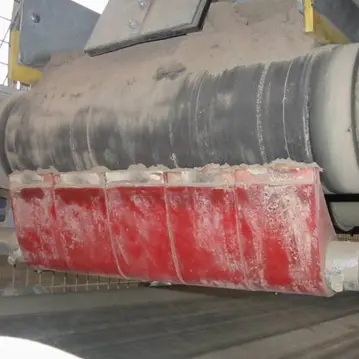
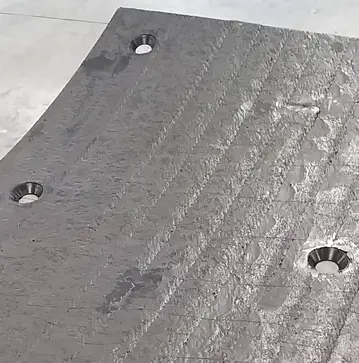
A second area concerns the handling of bottom ash and lump residues, where wear is concentrated mainly at drop points, in hoppers, channels, conveyors and extraction systems. Here, component deterioration can directly affect process continuity and maintenance frequency.
These applications are complemented by smoke extraction, dust removal, and filtration systems, where the presence of particulate matter and continuous operating conditions require reliable components and solutions designed for longevity.
In this context, SARO offers anti-wear solutions for waste-to-energy plants with applications dedicated to transport systems, transfer points, conveying circuits, dedusting areas, and components most exposed to wear.
Supplies can include:
- flexible hoses and components for conveying lines
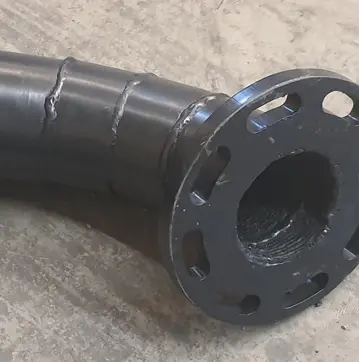
- anti-wear bends and pipe spools
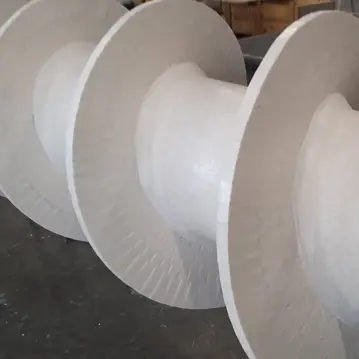
- hoppers, diverters and discharge points
- fume extraction components
- dust abatement and filtration solutions
The value of SARO lies in its ability to intervene at the truly critical points of the plant, where wear compromises longevity, efficiency, and reliability. It is with this application approach that SARO supports waste-to-energy plants, providing solutions designed according to the actual operating conditions and process operational needs.